



To say that samba is merely a musical genre would be a mistake. Samba is a living chronicle, a movement of resistance, and the beating heart of a nation. To understand Brazil, one must dive into the cadence of this rhythm that transformed the pain of the diaspora into the greatest celebration of joy on Earth.
From the Roots of Angola to the "Navel" of Bahia
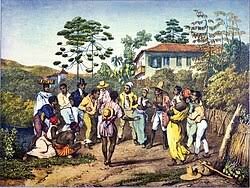
The journey of samba begins long before it reaches the illuminated avenues. Its seed was planted in the Recôncavo Baianothe fruit of the Bantu heritage brought from Angola. The term 'samba' itself likely derives from sembawhich means “umbigada” — the ritualistic gesture where dancers touched at the center of their bodies in a circle of celebration.
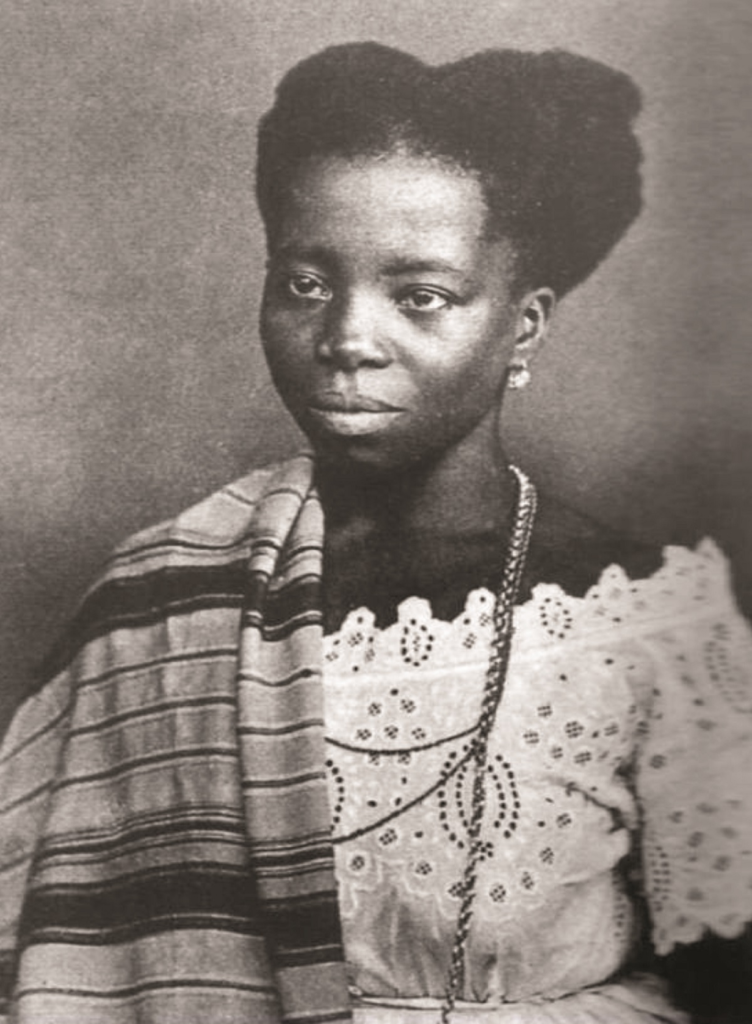
In the 19th century, with the migration of Black Bahians to Rio de Janeiro—then the federal capital—samba found fertile ground. It was in the homes of the legendary 'Tias Baianas' (Bahian Aunts)—powerful matriarchs of Praça Onze—that samba transitioned from a rural drumbeat into an urban expression.
It was in the home of the iconic Tia Ciata that, in 1916, was born “Pelo Telefone”considered the first recorded samba in history.
The Forbidden Rhythm: When Samba Was a Crime
What shines today under the lights of the Sambadrome was once silenced by the law and by structural prejudiceAfter the abolition of slavery in 1888, there were no integration policies for the Black population. The Brazilian elite of the time, seeking to 'Europeanize' Rio de Janeiro, viewed samba with deep contempt, labeling it a 'primitive' and dangerous expression.
During the first decades of the 20th century, persecution was institutionalized through the Vagrancy LawIn practice, any Black man found on the street without a signed labor contract could be arrested. Since samba was an activity of leisure and communion, carrying a pandeiro or a guitar was used by the police as 'evidence' of vagrancy. The sambista was seen as a 'troublemaker,' and samba circles were frequently raided, with instruments broken and musicians taken to the police station.
The Sacred Connection: Samba and Candomblé
This persecution was not merely musical, but religious. Primitive samba was intimately linked to the terreiros of CandombléThe beats of the atabaques that invoked the Orixás were the same that gave rhythm to the samba circles in the backyards.
Since Afro-Brazilian religions were banned by the State, samba was viewed as part of a 'pagan ritual' that needed to be eradicated. To survive, samba became a code of resistance: the Tias Baianasmany of them spiritual leaders (Mães de Santo or Mothers of Saints), opened their homes so that music and faith could coexist far from the eyes of repression.
From Marginalized to National Identity: The Acceptance
How did a persecuted rhythm become the symbol of Brazil? The change began in the the 1930sduring the government of Getúlio Vargas. The State realized that samba possessed an unparalleled power of popular cohesion and decided to transform it into a into a tool for national unity..
To be accepted and legalized, samba circles had to organize themselves into Samba Schools (Escolas de Samba)The government began to support the parades, but with one condition: the sambas-enredo (theme songs) had to exalt the official history of Brazil. Samba 'descended the hills' and occupied the paved streets, gaining the support of intellectuals and the middle class, losing its label as a crime to earn the title of cultural heritage.
Samba: The Rhythm Born of Resistance that Conquered the World
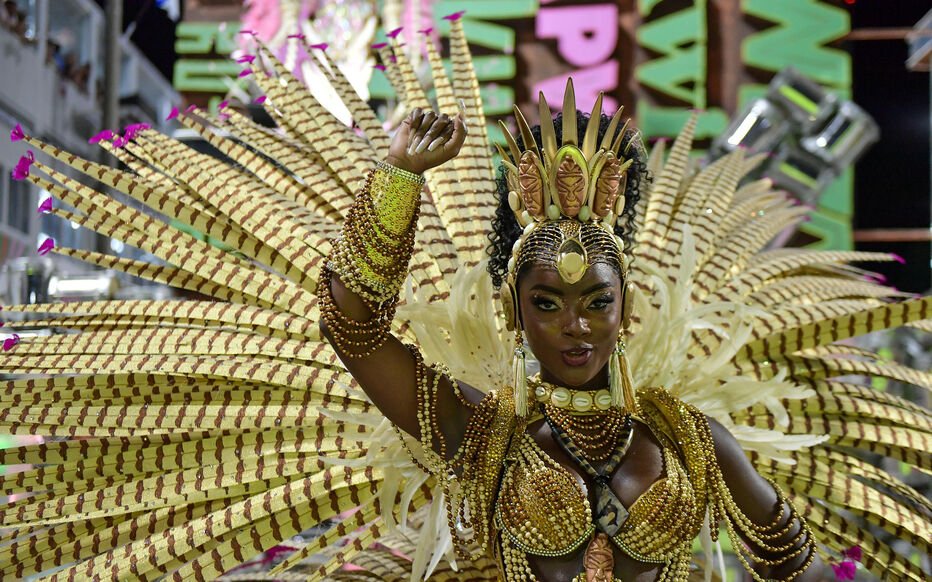
Today, this evolution culminates in the Sambódromo da Marquês de SapucaíDesigned by Oscar Niemeyerthis stage is the setting for the world's greatest demonstration of technical and artistic excellence. A samba school parade is a colossal engineering feat involving historical themes, gigantic floats, and the drum section (Bateria) the heart of the school, where hundreds of percussionists play in a perfect unison that makes the ground tremble.
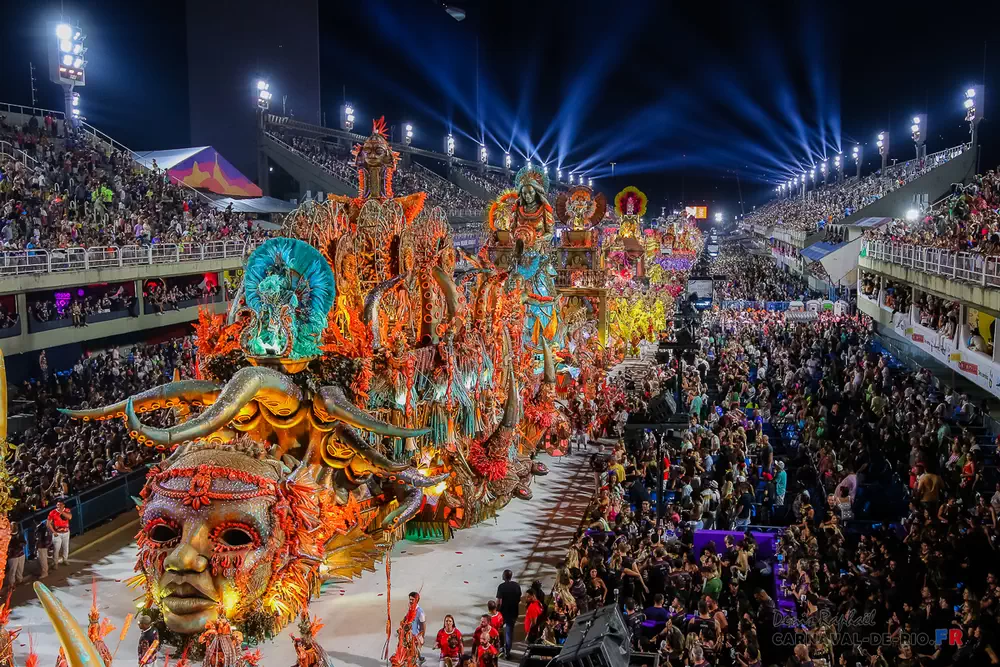
Make a true immersion into Brazilian Carnival with Allez Brazil Experiences
Many watch Carnival through screens, but few have the privilege of feeling the vibration of the drums in their chest and stepping onto the sacred ground of Sapucaí as a protagonist.
Allez Brazil Experiences offers the opportunity to transcend the role of a spectator. Through our Carnival Immersionyou don’t just visit Rio; you become part of the gears that make the 'Greatest Show on Earth' happen.
From the backstage of the ateliers, where costumes come to life, to the magical moment of crossing the avenue in official attire, we open the doors to samba in its purest, most historical, and most thrilling form!
Are you ready to write your own chapter in the history of samba?