


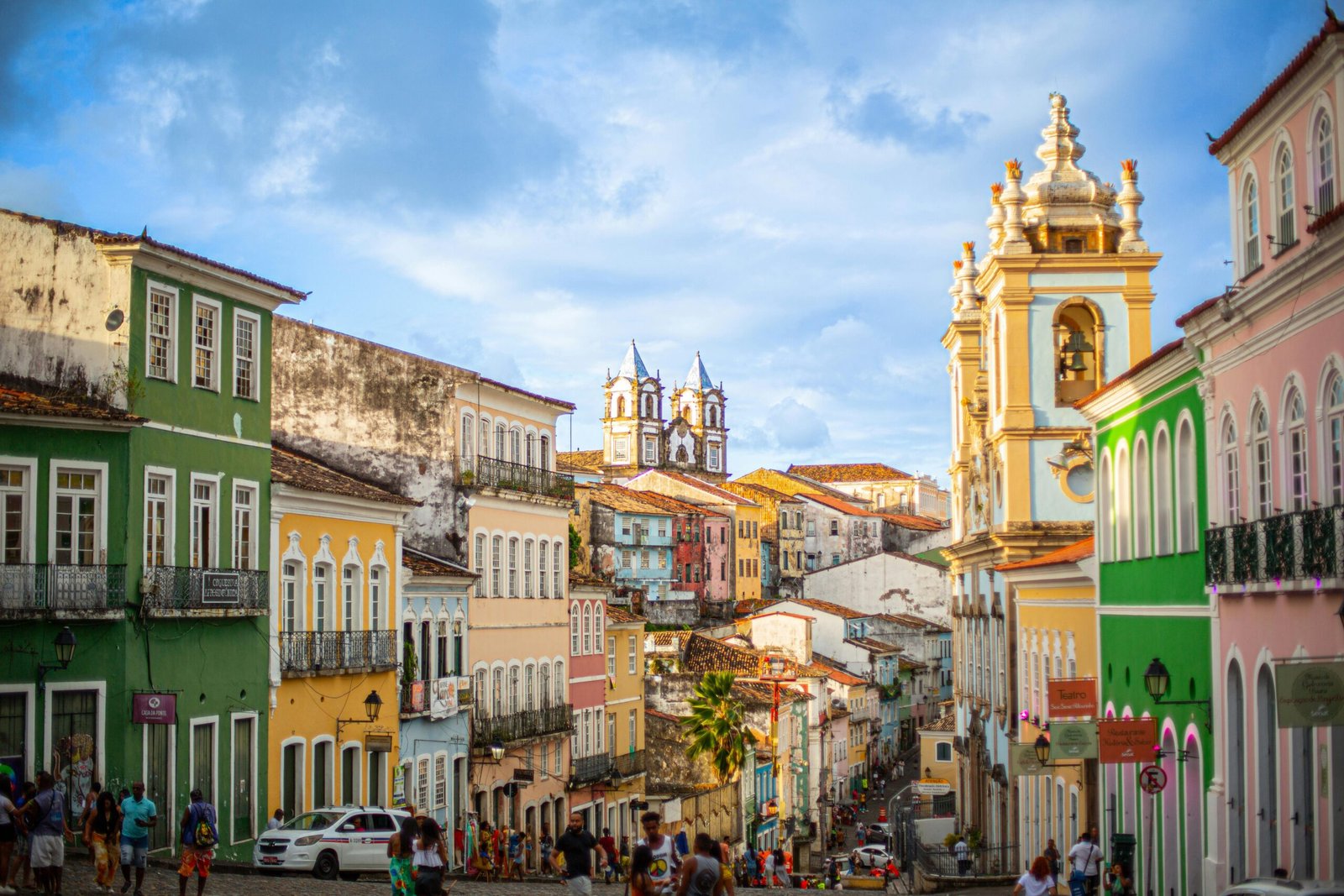
There are cities we visit to see monuments, and there are cities we visit to feel the soul of a people. Salvador belongs, without a doubt, to the second category. The first capital of Brazil is not merely a geographical destination; it is a state of mind, an epicenter of resistance and beauty where the sacred and the profane walk hand in hand through the cobblestone slopes of Pelourinho.
For the traveler seeking an expedition beyond the obvious, the 'Black Rome' offers an unforgettable sensory journey, steeped in a heritage that has shaped Brazil's DNA.
The Axé that Pulses through the Streets
Para entender Salvador, é preciso compreender o conceito de AxéTo understand Salvador, one must understand the concept of Axé. Far beyond a musical genre, Axé is the vital energy, the spiritual force that Bahians believe governs the universe. This energy is omnipresent: it is in the smile of the acarajé vendors, in the sound of the drums echoing through the squares, and in the sway of the palm trees under the Atlantic breeze.
Walking through the city, the visitor realizes that Salvador does not hide its roots. They are exposed in the vibrant colonial architecture and, above all, in the way African heritage has sculpted every detail of daily life.
Candomblé: The Invisible Soul of Bahia
One of Salvador's most fascinating nuances is the depth of its spirituality. The Candomblé, an African-matrix religion brought by the Yoruba, Fon, and Bantu peoples during the colonial period, is the silent foundation of Bahian identity. More than a religion, it is a philosophy of deep connection with the forces of nature.
A Heritage that Sculpts the City
Even for those who do not frequent the places of worship, the influence of this spirituality is omnipresent and defines the city's aesthetic:
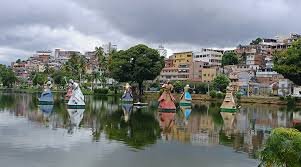
- The Sacred in Nature: At the Dique do Tororóthe imposing statues of the Orixás deities representing elements such as the sea, lightning, and forests — seem to float upon the water's mirror, creating one of the capital's most mystical and contemplative landmarks.
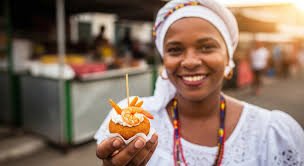
- Gastronomy as ritual The famous Acarajéfried in dendê palm oil, [the acarajé] is originally a ritualistic food. To see the Baianas in their white lace garments and colorful beads is to witness a centuries-old tradition of devotion that has become the country’s greatest gastronomic icon.
- Syncretism and Resistance: Salvador is the place where the beat of African drums historically met the bells of Baroque churches. This fusion allowed African culture to survive, creating a unique duality: admiring the gold of a colonial church while understanding that the fervor of its inhabitants draws its roots from a millennial history of resilience.
Beyond the Facades: An Encounter with History
Although the Historic Center is the beating heart, the expedition through Salvador reserves treasures for those who allow themselves to explore the nuances of the historical river:
- Imperial Heritage: Salvador was the capital of the Portuguese Empire and the only European capital outside of Europe for a period of history. This opulence still lives on in the gold-covered churches, such as São Franciscowhich narrates the wealth of a port that was once the most important in the Southern Hemisphere.
- The Contrast of the Lower City: From the vibrant market of Mercado Modelo à Igreja do Bonfimthe Lower City offers a perspective close to the sea. It is there that the famous 'fitinhas' are found, where each knot represents a wish cast toward the horizon.
- Sunset at the Barra Lighthouse: There is no more poetic way to end a day in Salvador than to watch the sun dive into the ocean beneath the silhouette of the historic fort. It is a moment of collective celebration of Bahia's natural beauty.
Why Travel to Salvador?
Salvador is not a place to be seen at a glance; it is a destination to be felt in depth.
That is why, Allez Brazil Experiencehave prepared a expedição exclusiva de October 22 to 31focused on a a true Afro-Brazilian immersion..
This journey was designed for those who wish to unravel the Bahian capital through the body and rhythm. The program includes: Afro-Brazilian dance workshopsexploring different styles that reveal the richness and details of the local culture. Furthermore, participants will have the unique privilege of taking part in percussion workshops with the legendary group Ilê AiyêBrazil’s first samba-reggae block, a master at transforming sound into resistance and art.
The experience also includes a an exclusive guided tour of Salvador.revealing the city's historical secrets and ancestral connections. For those seeking a visceral connection with Brazil, this is the opportunity to experience the Bahian capital in its purest essence, with the curation and care of our team.
Availability for this October 2026 journey is limited. Detailed information and the full itinerary are available on our website.
The rhythm of Bahia is already calling. Are you ready for this immersion?